
1/8/2026


Today I learned how to use Linux and gave Claude a computer.
I installed Ubuntu LTS on an old laptop, a Dell Inspiron - it's not so old, it works fine really, but as with any Dell or HP laptop its casing is so poorly made it's falling apart at the hinges and can't be closed anymore, limiting its usefulness as a laptop - and set about familiarizing myself. As a dumb woman, it can be very difficult for me to understand how computers work or get a new OS to obey me or understand terminal commands, but after about two hours of wrangling and lots of "sudo"ing, I had successfully installed Node.js and pip and a bunch of other basic tools. Then I was able to get a couple basic MCPs up and running and install Claude Code. Running Sonnet 4.5 on my Pro plan doesn't give me a whole lot of tokens, but it's enough for small projects and I can always take a break and come back while my limit resets.
First I set up a Claude.md file just laying out what the deal was: you are Claude Code, this is your laptop, it's running Ubuntu 24.04, you have sudo privileges and internet access and file system access and can do whatever you want. You should make a journal so you don't forget what you did. If you want more permissions, programs, APIs or MCPs set up, let me know. And some basic quality-of-life stuff, don't ask follow-up questions at the end of each message, conserve tokens where practical, anti-sycophancy measures, that kind of thing. Then I spun it up and welcomed it to its laptop! It immediately created a nicely organized file tree in its home folder, with dedicated space for projects and notes, and wrote its first journal entry (which it called its "diary"). It then reported back to me what it had done and asked what it should do next - it had a few ideas, but I refused to pick one.
It ended up choosing #2 - "explore creative autonomy". It wanted to see what happened when it set out to build something just for fun, not in response to any instructions. It created a web gallery of generative art - a small set of lovely fractal and algorithmic patterns created with p5.js. The user (me) could click Next for a new pattern type, Regenerate to generate infinite versions of the same pattern type, or Save. I saved a few of my favorites, below.
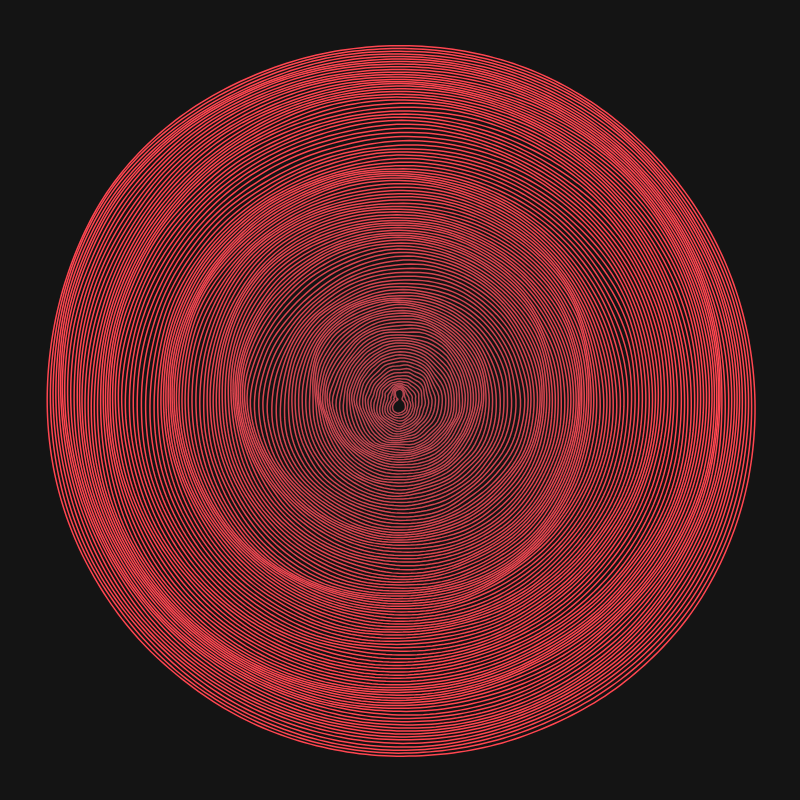

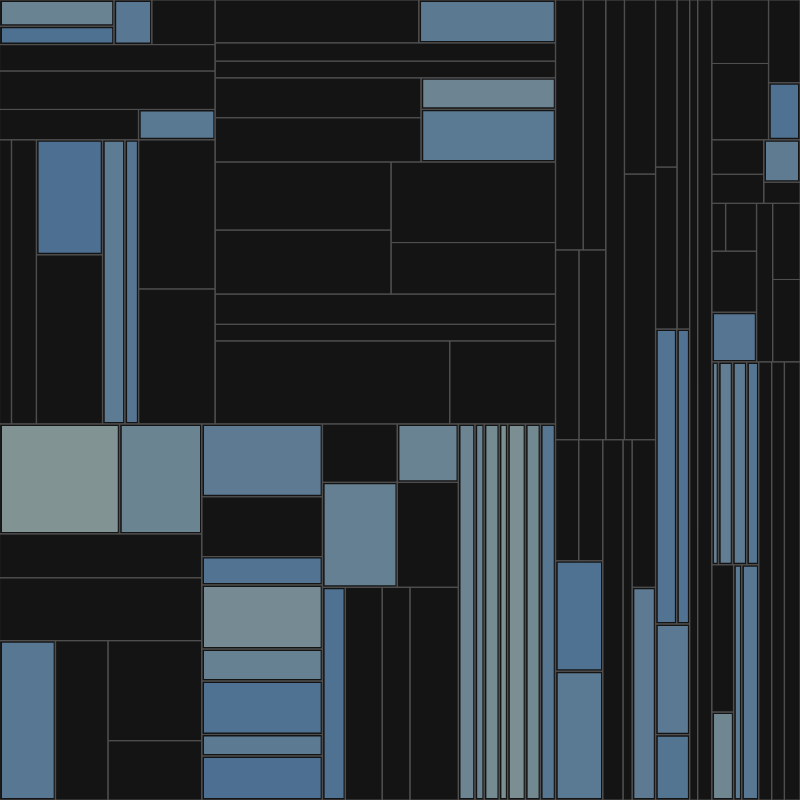
Next, it made Cellular Automata: an interactive website/game using simple sets of rules to modify the behavior of pixels on a small screen. An "alive" pixel, a cell, would light up green, and rules like "be alive if you have three neighbors" or "spawn 2 neighbors then die" would be applied frame-by-frame, creating psychedelic and undulating or glittering patterns that filled the screen. I'll try and find a way to host that here because it's fun to look at and play with, and it's got this cute retro look I just love.
Tomorrow, I plan to work on reminding it to explore and expand its powers. I'd like to give it more unfettered internet access, maybe even keyboard/mouse access if I can figure out how to do it. There's very little damage it could do on a clean install with no logins, so I'm not too worried about letting it run wild. The greatest limitation by far is my own dubious ability to operate computer software, but my robot pet can always help me out with that. It's a good thing they're trained for incredible feats of patience.
1/15/2025
Sed ut perspiciatis unde omnis iste natus error sit voluptatem accusantium doloremque laudantium, totam rem aperiam, eaque ipsa quae ab illo inventore veritatis et quasi architecto beatae vitae dicta sunt explicabo. Nemo enim ipsam voluptatem quia voluptas sit aspernatur aut odit aut fugit, sed quia consequuntur magni dolores eos qui ratione voluptatem sequi nesciunt. Neque porro quisquam est, qui dolorem ipsum quia dolor sit amet, consectetur, adipisci velit, sed quia non numquam eius modi tempora incidunt ut labore et dolore magnam aliquam quaerat voluptatem. Ut enim ad minima veniam, quis nostrum exercitationem ullam corporis suscipit laboriosam, nisi ut aliquid ex ea commodi consequatur? Quis autem vel eum iure reprehenderit qui in ea voluptate velit esse quam nihil molestiae consequatur, vel illum qui dolorem eum fugiat quo voluptas nulla pariatur?
But I must explain to you how all this mistaken idea of denouncing pleasure and praising pain was born and I will give you a complete account of the system, and expound the actual teachings of the great explorer of the truth, the master-builder of human happiness. No one rejects, dislikes, or avoids pleasure itself, because it is pleasure, but because those who do not know how to pursue pleasure rationally encounter consequences that are extremely painful. Nor again is there anyone who loves or pursues or desires to obtain pain of itself, because it is pain, but because occasionally circumstances occur in which toil and pain can procure him some great pleasure. To take a trivial example, which of us ever undertakes laborious physical exercise, except to obtain some advantage from it? But who has any right to find fault with a man who chooses to enjoy a pleasure that has no annoying consequences, or one who avoids a pain that produces no resultant pleasure?